 San Jose Morgan Hill
 Some fat can be tough to lose, even with a healthy diet and regular exercise. Liposuction allows us to target those spots with the aim of preserving the contours you want. At Illuminate Plastic Surgery in San Jose, Palo Alto, and Morgan Hill, we’ll discuss your goals and check your skin before suggesting surgery. You’ll have a clearer idea of what’s possible before deciding whether it’s right for you.
Schedule a ConsultationLiposuction removes fat from under the skin using a thin tube called a cannula. It connects to suction and passes through small incisions. We control where and how much fat is removed to shape the area. This works best for stubborn fat deposits that remain at a steady weight. Liposuction isn’t a weight loss method or a substitute for healthy habits. It doesn’t remove visceral fat, the deeper fat around your organs.
Liposuction can treat pockets of excess fat in several areas of the body, including:
We also consider how each area connects to the rest of your body. For example, when treating the waist, we think about how it blends with your hips. This helps us work toward a smoother silhouette and keep your natural curves.
Neck liposuction takes away fat under the chin and can make the area look more defined. If you have loose skin or muscle bands, a neck lift might be a better option. We’ll examine you to see what’s causing the fullness and explain your options.
A stable weight and specific areas of fat are a good place to start. We also look at your skin’s elasticity, or how well it may adjust after fat removal. Good skin tone, overall health, and realistic expectations are important. Smoking or using nicotine can slow down healing.
The American Society of Plastic Surgeons describes ideal candidates as adults within 30% of their ideal body weight. That’s a general guideline, but we’ll assess your health and skin individually. If you’re still losing weight, it may help to wait until you reach a weight you can maintain.
Liposuction removes fat, while a tummy tuck removes loose belly skin and can repair separated abdominal muscles. If extra skin is your main concern, removing fat alone might not give you the result you want. Loose skin can also look more obvious after liposuction.
Some people benefit from both procedures, especially after losing a lot of weight. A body lift may help with more widespread loose skin. If you’re unsure whether fat or skin is the main concern, an examination can help us explain what each option could change.
We’ll talk about your goals, medical history, and past surgeries. Bring a list of medications and supplements, and tell us about nicotine use or recent weight changes. After examining the areas, your surgeon will explain which options could help and their limitations.
You’ll have time to ask about recovery and see results from patients with similar concerns. We’ll explain preparation, including rides and help at home, so you can consider what treatment would require. Check with your regular doctors before changing prescribed medication. You can weigh this information before deciding on surgery.
 Swipe To Next
We make small incisions in less noticeable places, like natural creases, where possible. Before removing fat, we put tumescent fluid into the area. It contains local anesthetic and epinephrine to help reduce bleeding. The surgeon then uses a cannula to remove fat.
At Illuminate, we use S.A.F.E. liposuction: separation, aspiration, and fat equalization. The surgeon loosens the fat, then removes the amount needed for the planned shape. Afterward, the remaining fat is blended to smooth the transitions into surrounding areas. We assess both the fat removed and what’s left, making adjustments throughout the procedure to help create smooth, natural contours.
More extensive treatment commonly calls for general anesthesia. For smaller treatments, some patients can have liposuction while awake with local anesthesia. Tumescent fluid can be used in both cases, so it doesn’t necessarily mean you’ll be awake. We’ll recommend anesthesia based on your health and surgical plan. The procedure usually takes one to four hours, followed by monitoring before you go home.
Yes, liposuction can be done along with a tummy tuck or as part of a plan that includes breast augmentation or a breast lift. Whether to combine procedures depends on your goals and how much surgery is safe to do at once.
With fat transfer, suitable fat removed during liposuction is prepared and used to add volume elsewhere, such as the breasts. This must be planned ahead of time. We’ll explain how extra procedures affect recovery and whether separate operations would be a better choice.
You’ll be sore at first, with swelling and bruising in the treated areas. We’ll explain how to manage discomfort and care for your incisions. Compression garments help reduce swelling and support healing; wear them according to your aftercare instructions.
Many patients take one to two weeks off work. A small area and a desk job may mean less time away; multiple areas or a job involving lifting could require longer. Tell us what your usual day involves so we can discuss a realistic recovery plan. Feeling okay at work doesn’t mean you’re ready to exercise yet.
Gentle walking is usually encouraged early. We’ll guide your return to exercise and lifting as you heal. Swelling can fluctuate for several weeks, so the area may look different day to day. Check with us before starting massage or other aftercare. Follow-up visits help us decide when you’re ready.
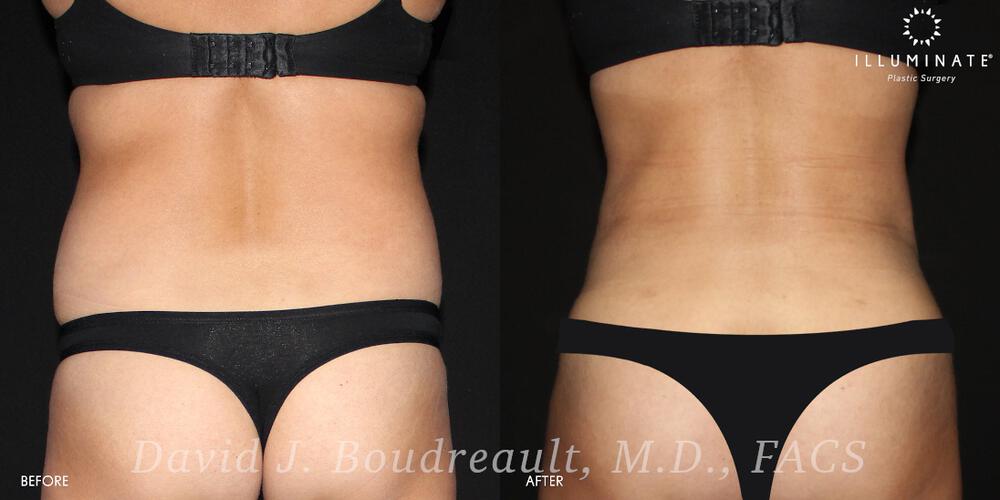
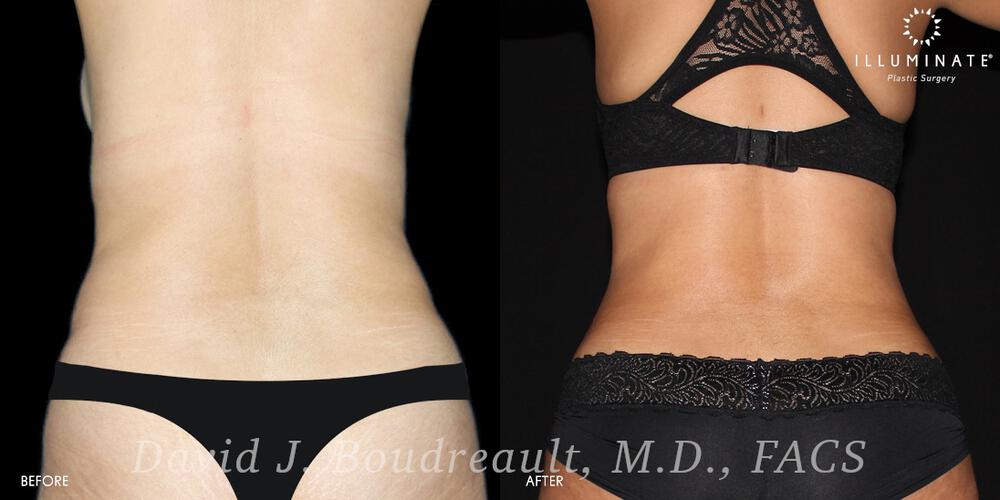
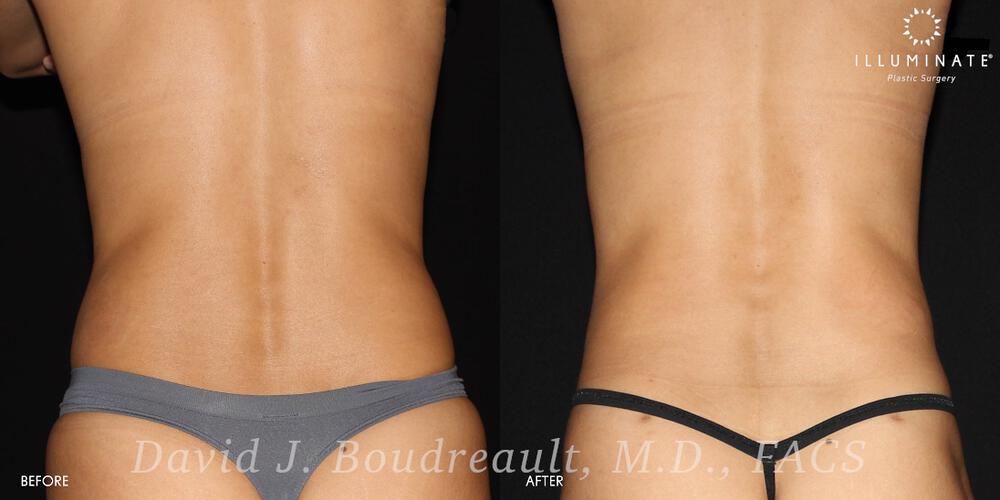
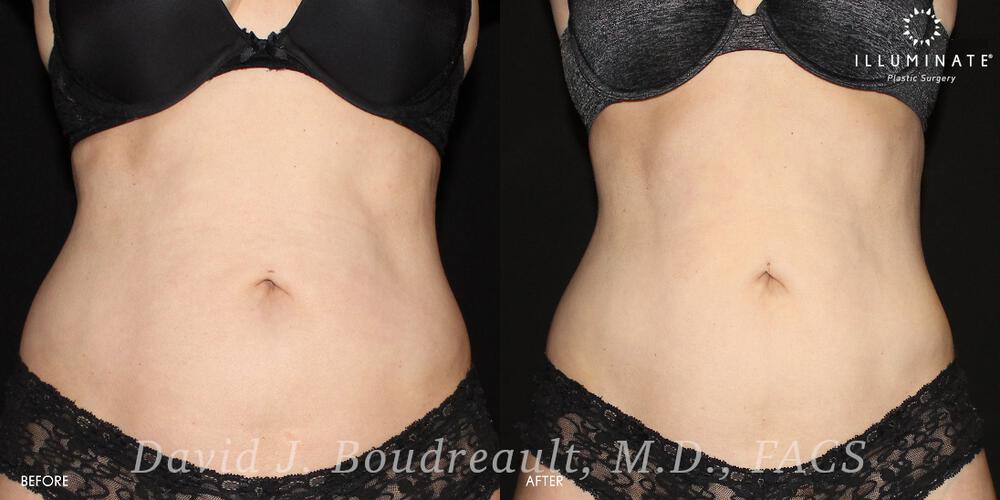
Swelling can make it hard to see your results at first. You might notice changes within a few weeks, while final results develop over several months. At Illuminate, we usually photograph results three to six months after surgery. Healing varies depending on the areas treated.
After you recover, staying active and eating well can help you keep your new shape. Liposuction does not stop the aging process, and changes in your weight can still affect the treated areas and the rest of your body.
Liposuction can have risks like bleeding, infection, fluid buildup, uneven results, or lasting changes in feeling. Blood clots and problems with anesthesia are less common but can be serious. Before you choose surgery, we’ll talk about how your health and treatment plan affect your risks.
We’ll tell you what to watch for during recovery and when to contact us. If you have more pain, a fever, or swelling you didn’t expect, let the surgical team know. If you have chest pain or trouble breathing, get emergency medical help right away.
We’ll explain where liposuction is likely to help and where it may fall short. If removing fat could leave loose skin, we’ll discuss that before you decide on surgery.
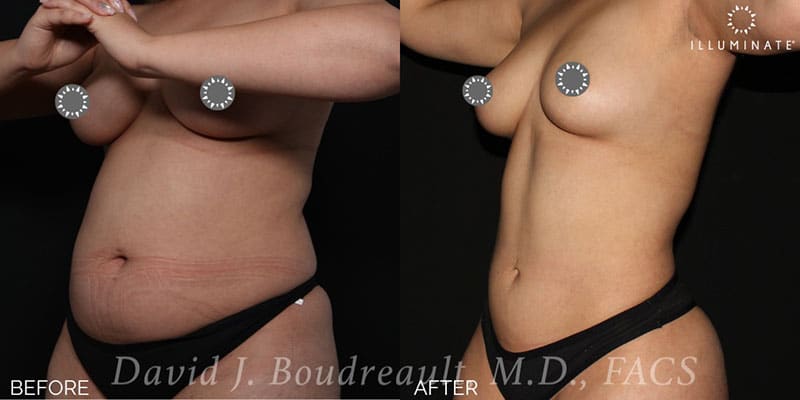
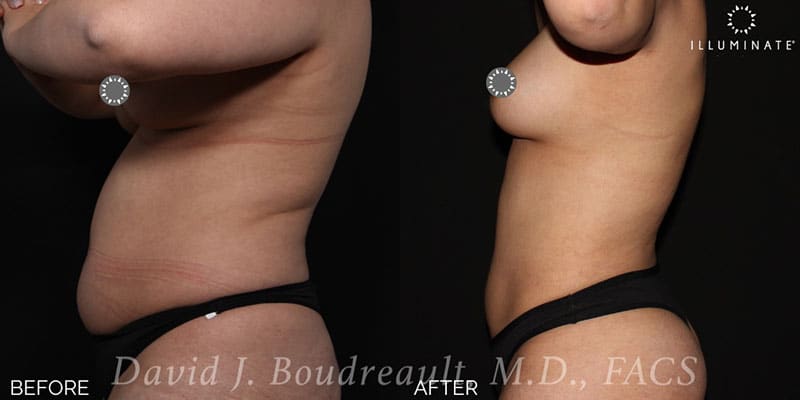
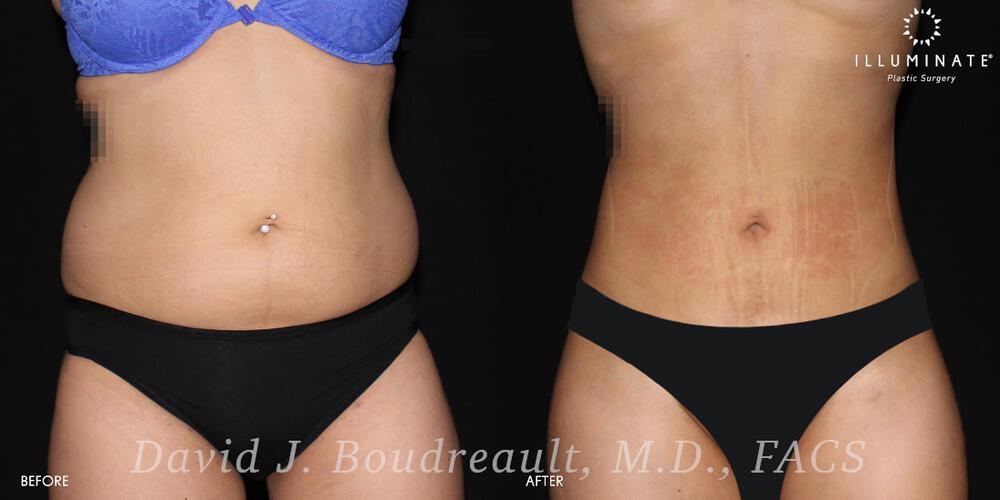
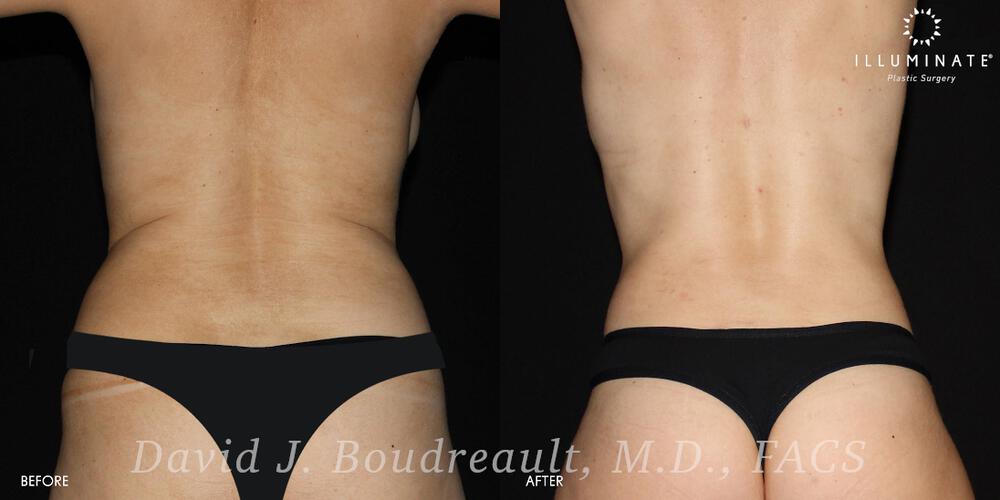
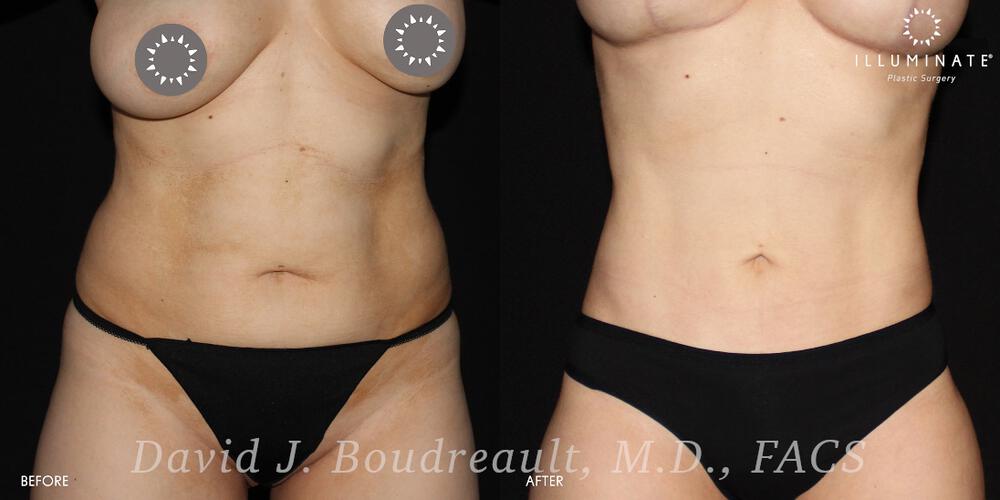
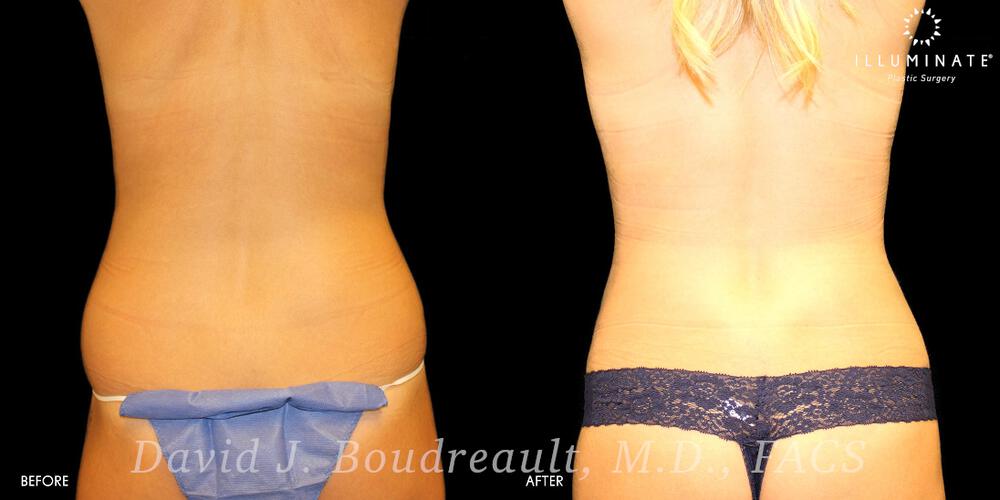
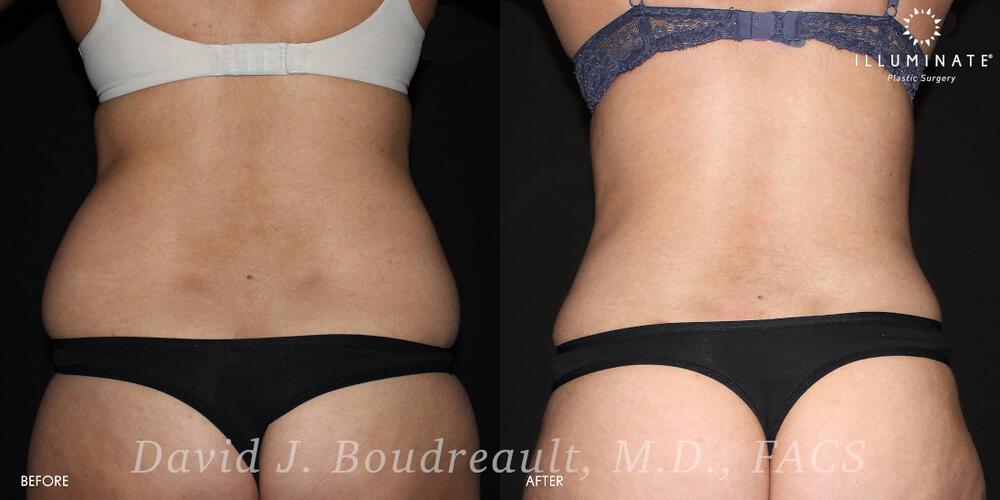
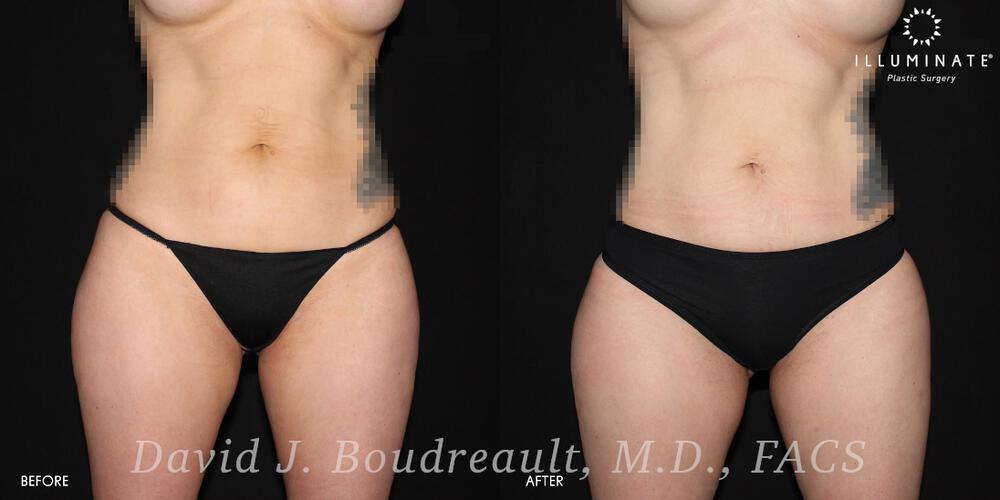
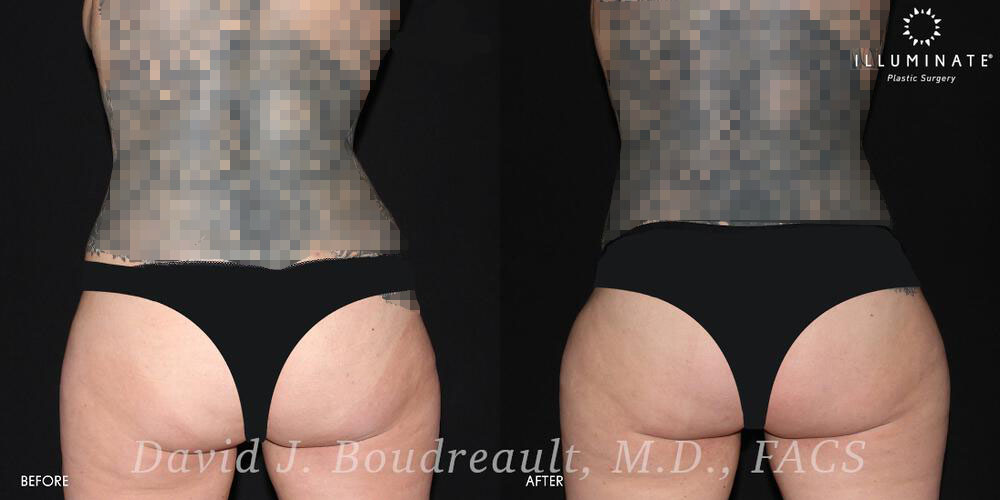
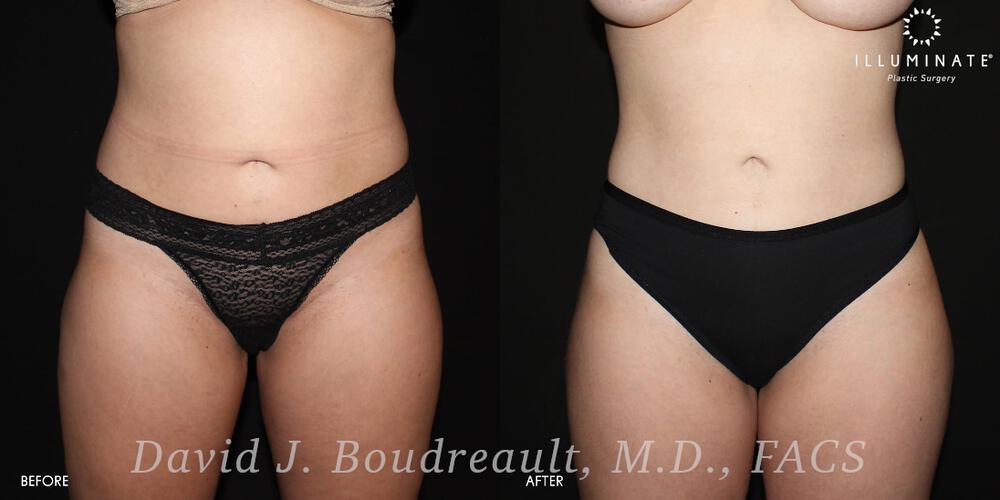
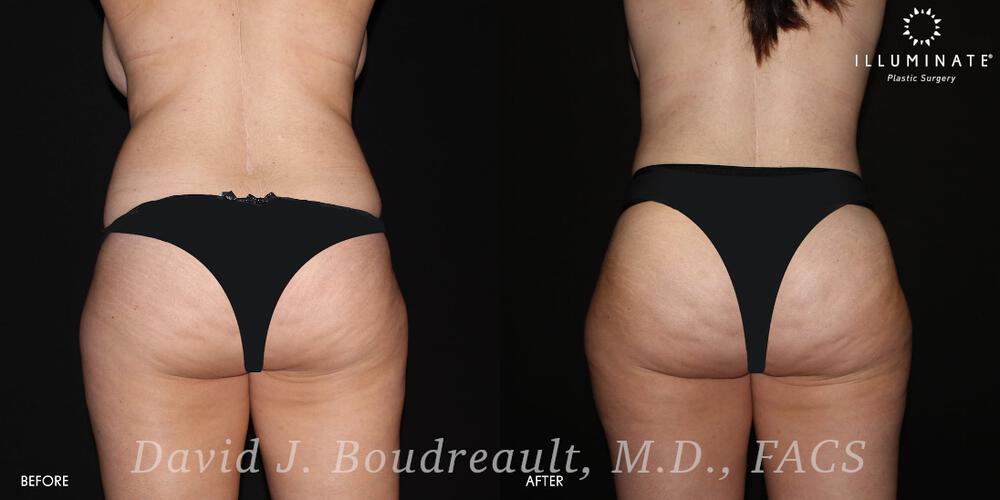
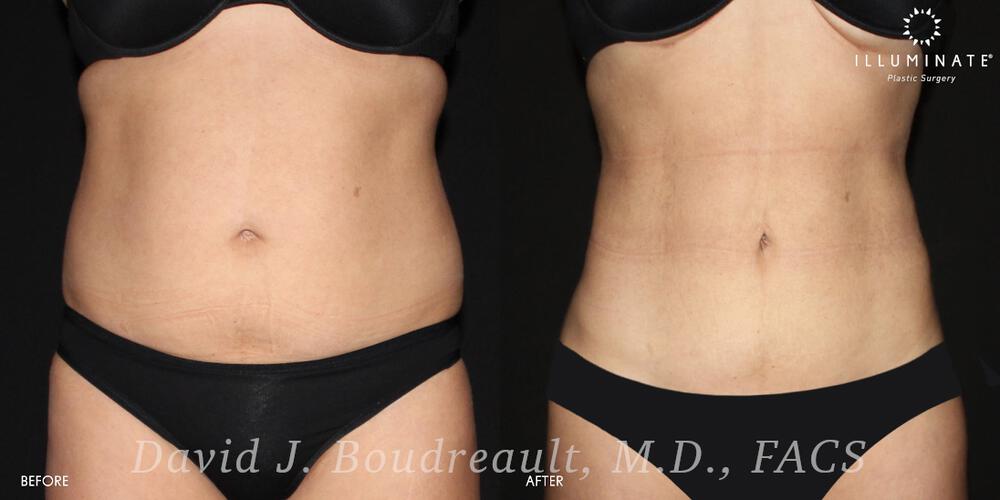
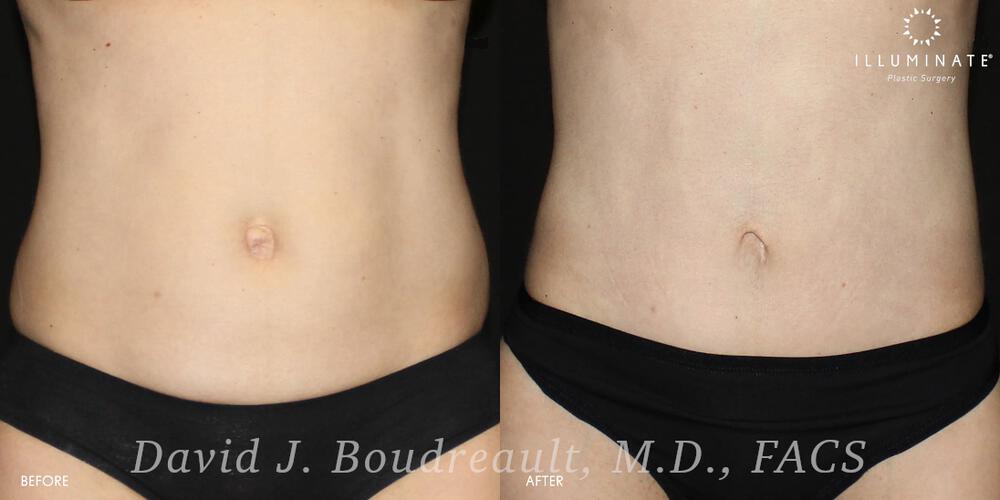
David Boudreault, MD, FACS is a board-certified plastic surgeon with training in both general and plastic surgery. Nishant Ganesh Kumar, MD is an Aesthetic Fellowship-trained, American Board of Plastic Surgery board-eligible plastic surgeon whose practice includes liposuction and body contouring. At Illuminate, your surgical plan is based on your anatomy, goals, and the areas you want to treat, with support throughout recovery. Our before-and-after gallery gives you examples to discuss with us, and we can explain which cases are most relevant to your concerns and why your result may differ.
If you’re considering liposuction, knowing what recovery and costs would look like for you can make the decision easier. We’ll examine the areas you want treated and explain the plan, including time away from work and personalized pricing.
Schedule a consultation at Illuminate Plastic Surgery in San Jose, Palo Alto, or Morgan Hill to get answers before deciding on surgery.
The amount depends on your health, body size, and surgical plan. Five liters isn’t a universal target, and total aspirate includes fluid as well as fat. Your surgeon will consider safety and your desired shape when recommending how much to remove.
The fat cells we take out are gone for good. However, you’ll still have some fat cells left, and they can get bigger if you gain weight. Keeping your weight steady helps you keep your results. Liposuction does not stop future weight gain.
Liposuction does not reliably treat cellulite or remove stretch marks. These issues are related to the skin and the tissues underneath. If these are your main concerns, let us know so we can talk about other treatments that might help.
Yes, even small cuts will leave scars. We try to put them in natural creases or less visible places when possible. Scars usually get softer and lighter over time, but their appearance depends on where they are, how you heal, and your aftercare.
These terms describe different parts of the procedure. Tumescent refers to the fluid used before removing fat. Power-assisted liposuction uses a mechanically moving cannula guided by the surgeon; traditional liposuction relies on manual movement. Tumescent fluid and power assistance can be used together.
Often, yes. Treating nearby areas together can help create a smoother look, but we also consider the total amount treated, surgery time, and your health. Your surgeon will explain which areas can be done at once and if it’s better to split the treatment into stages.
We’ll give you a quote after examining the areas you want treated. Pricing depends on surgical complexity, anesthesia, facility fees, and extra procedures. We’ll explain what’s included so you can consider the full cost before deciding. You can also ask about our financing options.
Trust is our Best Feature
At Illuminate we’re with you during every step of your journey toward greater self-confidence. Schedule a consultation with us today and let Illuminate’s expert team listen to your concerns and guide you through treatments and procedures to help you reach your individual goals. We look forward to seeing you and celebrating your renewed appearance and realized potential.